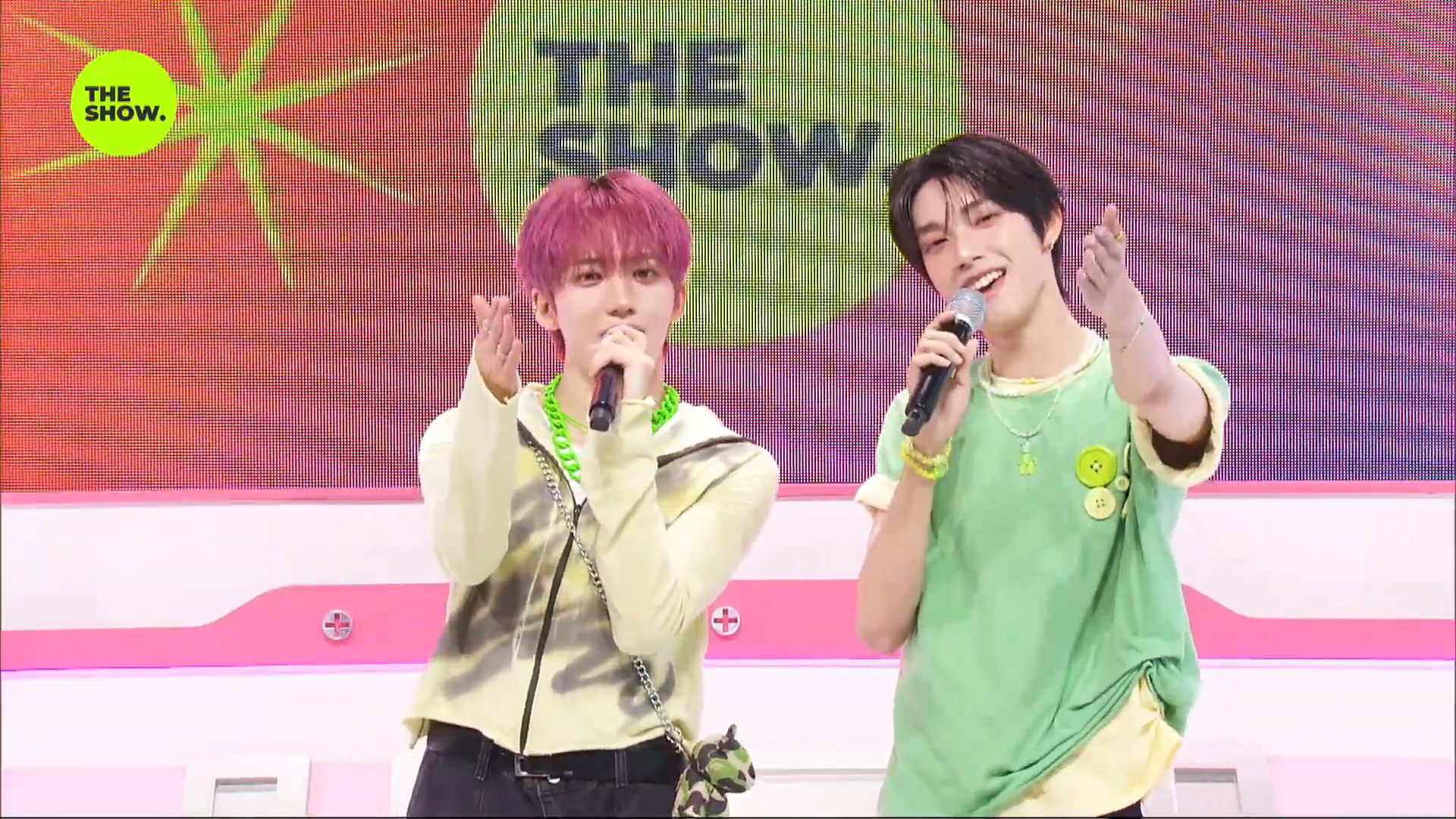
On June 2nd, 6 PM, the music program 'THE SHOW' resumed broadcasting after about seven months. The program, which has continued for 15 years since its first broadcast in April 2011, moved its channel to SBS LIFE and returned as a reboot equipped with a global simultaneous broadcasting system. This is not just a simple return.
There are many factors behind K-POP’s unprecedented growth in the global market, but one of the most underrated pieces of infrastructure among them is the music show system. Countries where broadcasts regularly dedicated only to music stages exist every week are rare around the world. In Korea, they even exist across multiple broadcasters, with music shows effectively scheduled almost every day, from MBC M’s 'SHOW CHAMPION,' Mnet’s 'M COUNTDOWN,' KBS2’s 'MUSIC BANK,' MBC’s 'Show! Music Core,' to SBS’ 'Inkigayo.' It is a structure that allows singers to perform repeatedly on a weekly basis during comeback season, rather than only putting on one-off special stages. From the perspective of overseas fans, it is even more unusual. In the U.S. or Europe, the only regular way to see live stages by artists you like is through concert tours, but in Korea, that is possible through weekly broadcasts.
The effect created by this system does not stop at simple broadcast exposure. Music shows are places where artists who have recently released new songs physically gather in one space. Dozens of teams gather in the same building on the same day. Naturally, exchanges between artists occur, and cross-inflow between fandoms also takes place. The amount of content generated from a single stage is also overwhelming. From the main broadcast to fancams by camera angle, on-site photos, backstage videos, and more recently, short-form content, countless pieces of content are derived from a single appearance. From fans’ perspectives, they can consume the same stage from various angles and in different formats, and content is constantly supplied across platforms, leaving no time to get bored. Although music show appearances are “loss-making” schedules with very low appearance fees and even higher accompanying costs, this is why artists cannot give up on music shows.
Within that ecosystem, 'THE SHOW' has held a special position. Unlike the four major music shows, THE SHOW has been a stage open to small and mid-sized agencies and rookie idols. THE SHOW was where artists who are now global top-tier acts, such as BTS, NCT DREAM, and ENHYPEN, won their first-ever No. 1 trophy on a music show. More than 40 K-POP artists have also served as MCs on the program. Before gaining competitiveness on the four major music shows, countless teams confirmed the power of their fandoms and laid the foundation for growth here. Between teams that have held a No. 1 trophy and those that have not, practical differences arise in fandom size, event bookings, and recognition. THE SHOW was the first gateway that created that difference. The fact that today’s reboot broadcast lineup includes many rookie and small-to-mid agency idols, such as AND2BLE, xikers, and FLARE U, falls in the same context.
When THE SHOW ended last November, it said goodbye as “a complete ending with no resumption” due to SBS Medianet’s withdrawal from the entertainment business, but that statement was overturned in just seven months. Instead, it returned in a new way by changing channels and connecting with fans around the world in real time through YouTube and TikTok Live. The return of THE SHOW provides the answer that the music show system that has helped grow K-POP remains valid even now.
![I.O.I Tops Melon TOP100… Why It Took Ten Days, Not “Suddenly” [HT Spotlight]](/_next/image?url=https%3A%2F%2Fresource.hanteonews.com%2Fcontent%2Fpost%2F2026%2F05%2F29%2F6f0b1a50-773e-4c45-9c9e-a6948d8b10fb.png&w=3840&q=75)


![[Daily Ranking: May 29th] aespa’s ‘LEMONADE’ Places 1st](/_next/image?url=https%3A%2F%2Fhanteoresource.s3.ap-northeast-2.amazonaws.com%2Fhanteonews%2Farticle%2Fthumbnail%2Fbot%2Fchart%2Falbum%2Fdaily%2Fen%2F1st.png%3Fv0.0.1&w=3840&q=75)
