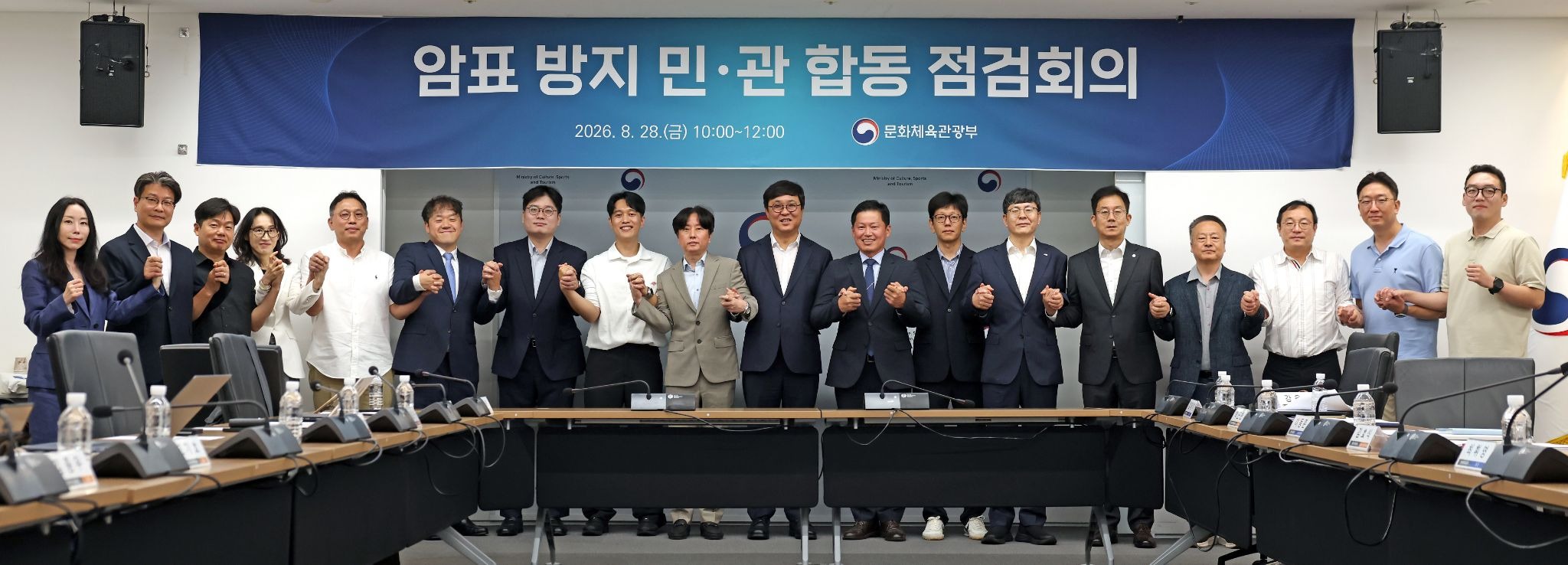
[Hanteo News = Reporter KANG SUYOUNG] Starting today (28th), the so-called “anti-scalping law” has officially taken effect.
According to the Ministry of Culture, Sports and Tourism, the revised Performance Act and National Sports Promotion Act, which were amended in February, along with the revised enforcement decrees that took effect on this day, contain strong measures to prevent ticket scalping.
Under the revised enforcement decrees, all improper purchases and improper sales are prohibited regardless of whether macro programs are used, and improper sellers may be subject to administrative fines of up to 50 times the sales amount. The system is regarded as a step forward in that regulations, which had previously been limited to cases involving macros, have been expanded to improper purchases in general for the purpose of resale.
However, on the first day of enforcement, apart from the direction itself, several questions remain when applying the law to the reality of K-POP concert sites.
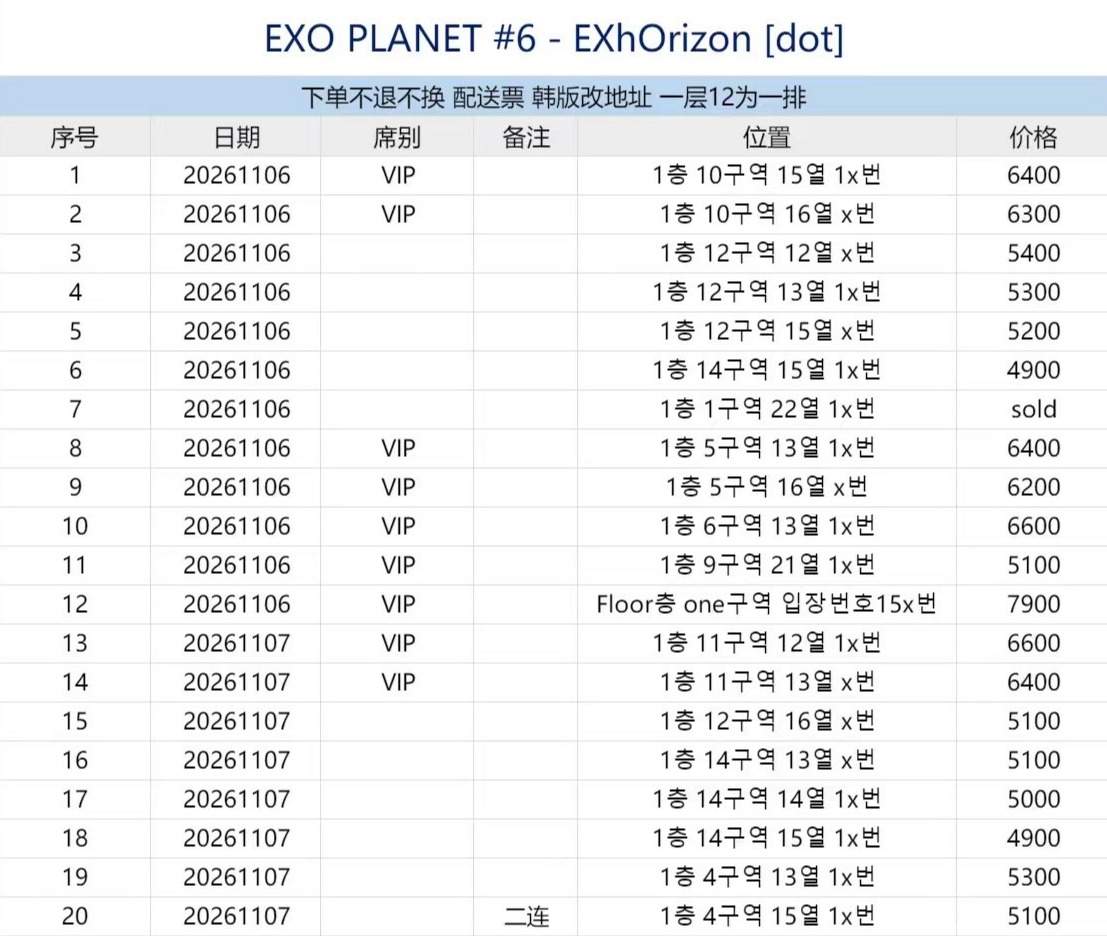
The first is the issue of overseas resellers. According to the Ministry of Culture, Sports and Tourism’s Q&A materials, if a foreign national residing in Korea engages in improper transactions on a domestic platform, the law applies under the territorial principle. However, if a foreign national or an overseas resident carries out improper purchases or improper sales overseas, this law does not apply.
In fact, on overseas platforms such as China’s Xiaohongshu and WeChat, cases have consistently been observed in which seats for domestic idol concerts are organized by section and traded. This raises the question of how domestic pre-sale tickets limited to one ticket per person are flowing into overseas resale markets in large quantities, but if the seller is located overseas, it is difficult to sanction them under this law.
The second issue is fan meetings. According to the Ministry of Culture, Sports and Tourism, the Performance Act applies to tickets for “performances,” but performances are defined as excluding “performances accompanying the sale or promotion of goods.”
In its Q&A on the revisions to the Performance Act and the National Sports Promotion Act for the prevention of ticket scalping released today, the ministry clearly stated, “General fan meetings are considered performances accompanying the sale or promotion of goods, and therefore are not subject to the Performance Act and are not subject to reporting.”
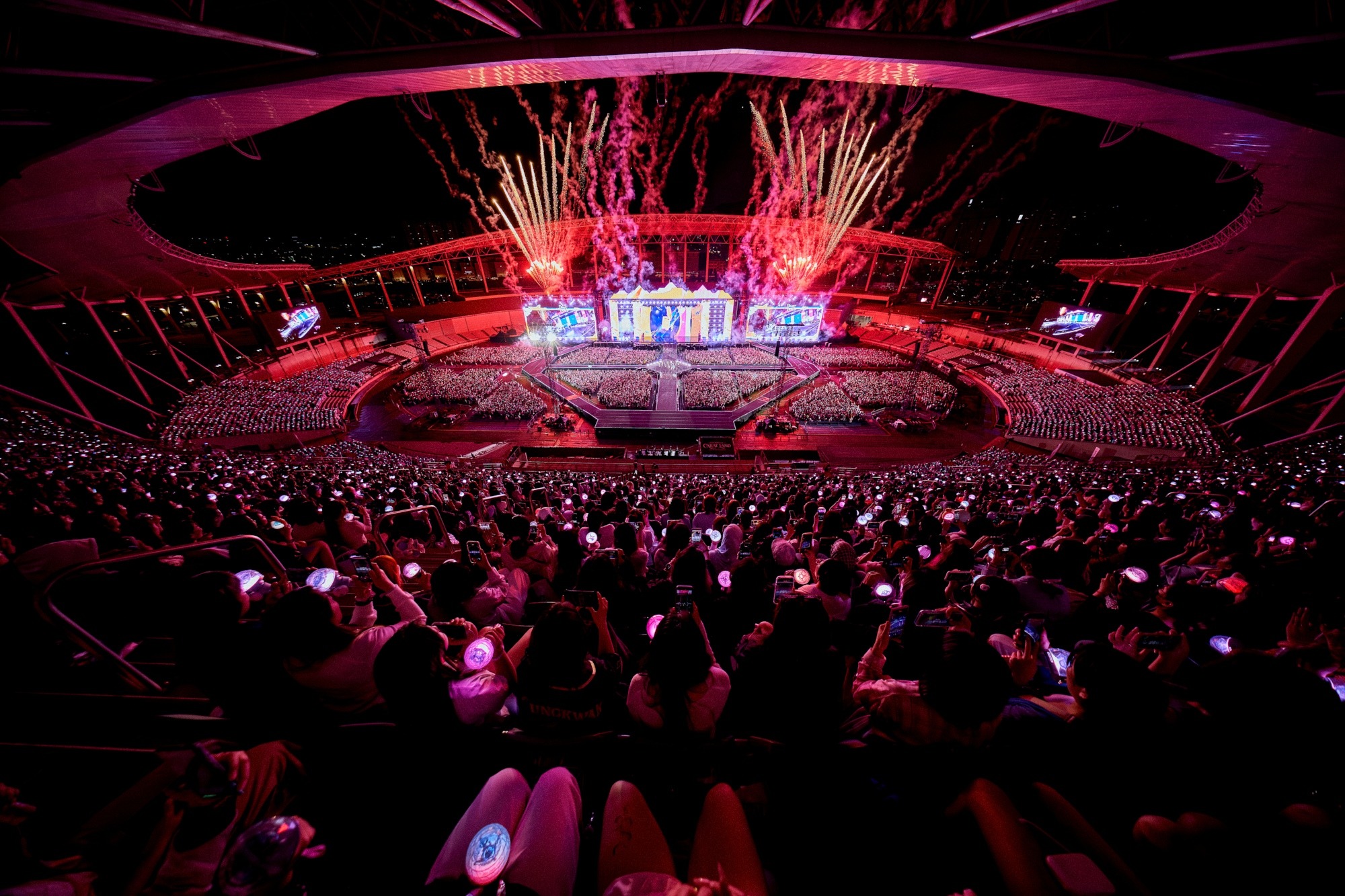
In the activities of K-POP artists, fan meetings and fan concerts are held just as frequently as regular concerts. Last year, several teams’ fan concerts also ranked among the top events in Korea in terms of audience attendance. In other words, stages with such high demand have been placed in a blind spot of the law.
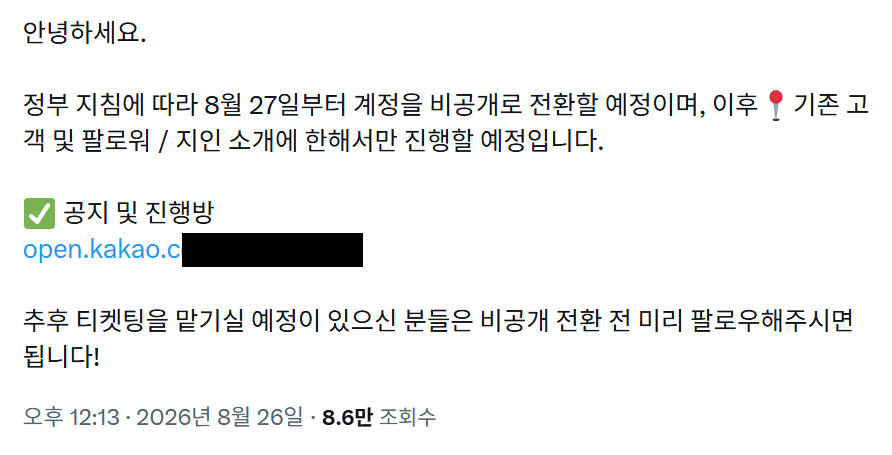
The third issue is proxy ticketing. Proxy ticketing is not the act of buying and selling tickets, but rather the act of logging into a client’s account directly and making a reservation on their behalf in exchange for money in the name of a service fee.
There are many cases in which this is carried out habitually and systematically through SNS, KakaoTalk channels, and other platforms, but the current law does not contain a provision directly targeting this issue. This is because the structure involves acting as an agent for ticket reservations and receiving a fee, rather than reselling tickets.
In cases where fan club pre-sale rights or account IDs are transferred for money, or where accounts are stolen to bypass purchase limits per person, it has been viewed that such acts may be punishable as improper transactions depending on whether they meet the requirements of habituality and commerciality. However, there is still no clear mechanism that directly regulates proxy ticketing itself.
In fact, ahead of the law’s enforcement, some proxy ticketing accounts were observed deleting posts, switching their accounts to private, and announcing that they would only accept new requests through referrals from acquaintances.
These questions are not intended to deny the direction of the system. Rather, because the goal of eradicating ticket scalping is clear, the next task is how to fit that goal more closely to the actual transaction structure of the K-POP industry.
On the day of enforcement, the Ministry of Culture, Sports and Tourism held a joint inspection meeting with 19 related agencies and also announced additional legal revisions regarding the issue of scalped tickets for special screening theaters. The system has only just taken its first step. For this law to be effective in the field, discussions on the areas that remain between the gaps in the legal framework must continue steadily going forward.
grace@hanteo.com
관련 기사
암표상보다 국내 팬 먼저…K팝 티켓팅의 규칙이 달라졌다 [HT초점]
유료 멤버십 환불 안 된다고? 공정위, SM·하이브·YG에 시정 요구 [HT초점]
![At the Crossroads of an “11-Year Partnership,” TWICE…JYP’s Contract Renewal Calculus [HT Focus]](/_next/image?url=https%3A%2F%2Fresource.hanteonews.com%2Fcontent%2Fpost%2F2026%2F08%2F12%2F35b97dc0-8727-41b1-8c42-90749efe4645.jpg&w=3840&q=75)
![LEE SOOMAN’s Past, Present, and Future Embedded in A2O [HT Scene]](/_next/image?url=https%3A%2F%2Fresource.hanteonews.com%2Fcontent%2Fpost%2F2026%2F10%2F13%2Fe5a7972d-21f5-4ca4-911b-30475ced8982.jpg&w=3840&q=75)
![Not an “Selfish Choice,” But a Desperate Effort for Fans [HT Focus]](/_next/image?url=https%3A%2F%2Fresource.hanteonews.com%2Fcontent%2Fpost%2F2026%2F06%2F02%2F141c6a92-c802-447d-b949-02198d55ef1f.jpg&w=3840&q=75)

![ENHYPEN JUNGWON Says, “No Specific Discussions on Contract Renewal Yet…We’ll Try to Make Sure There Is a Good Result” [HT Scene]](/_next/image?url=https%3A%2F%2Fresource.hanteonews.com%2Fcontent%2Fpost%2F2026%2F08%2F20%2Fb4befd7f-bcb5-454d-9696-da485931eeca.jpg&w=3840&q=75)